

 Vaksinasi
 Pemeriksaan Kesihatan
 Penurunan Berat Badan (GLP1)
 Dapatkan Nasihat Doktor
Cervical Polyps
What are cervical polyps?
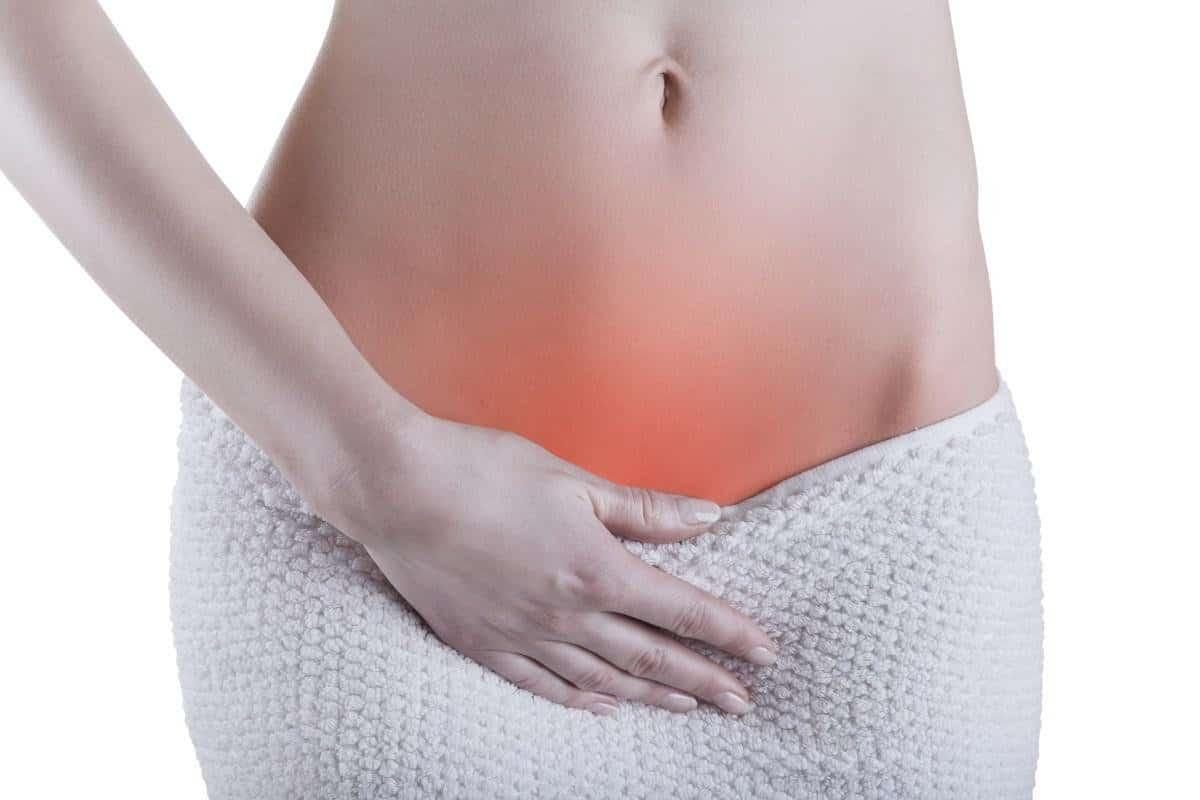
The cervix is the path connecting the uterus and the vagina. Cervical polyps often appear in the opening near the vagina. Their colour ranges from cherry-red to reddish-purple, sometimes even grayish-white. Cervical polyps vary in sizes and are often harmless. Most are small, less than 2 cm. However, becauses many cancers may have look likes cervical polyps, all polyps should be carefully handled by medical experts.
What causes cervical polyps?
Although the precise cause of cervical polyps still remains unclear, doctors believe they are tied to cervical inflammation. Another possible cause is the abnormal response of the body to the female hormone estrogen.
Cervical polyps are not rare. Many women have them, especially those who are over 20 years old and have at least one child. Girls who have not got menstruation rarely have cervical polyps.
How many types are there?
There are 2 types, including:
+ Ectocervical polyps are polyps that grow on the surface cells of the cervix. They are often seen in postmenopausal women.
+ Endocervical polyps are polyps that grow from the glands within the cervical canal. This type is more common and is often seen in premenopausal women.
How can I know if I have cervical polyps?
Possible symptoms of cervical polyps are:
+ Vaginal discharge, sometimes with a foul smell due to infection
+ Bleeding/spotting between periods
+ Severe bleeding during periods
+ Bleeding after sex
You probably cannot see or feel your cervical polyps. These polyps are often detected through routine pelvic exams and Pap tests.
How to treat cervical polyps?
In some cases, the polyps may fall off on its own and get out of your body through menstruation or sex. However, most polyps need to be removed to treat the symptoms that come with it. Also, it is necessary to examine the tissue for signs of cancer.
During the removal process, the doctor will use an instrument called polyp forceps to grab on the polyp and pluck it out gently. There will not be much bleeding. You may need a mild painkiller such as acetaminophen and ibuprofen to feel better. The polyp is then sent to a lab for further examination. If there are signs of infection, your doctor will give you antibiotics. If the polyp is cancerous, you will need a treatment plan depending on the type of cancer. Large polyps require an operation with anesthesias. Regular checkups are recommended to help detect and treat polyps early.

