

 Vaksinasi
 Pemeriksaan Kesihatan
 Penurunan Berat Badan (GLP1)
 Dapatkan Nasihat Doktor
Excercises For An Easy Childbirth
When it comes to exercising during pregnancy, you might have many concerns about which types of exercise are safe and suitable. We all know that physical exercise can improve and maintain physical fitness for everyone including pregnant women. The added bonus here is that some exercises can help experience an easy childbirth process.
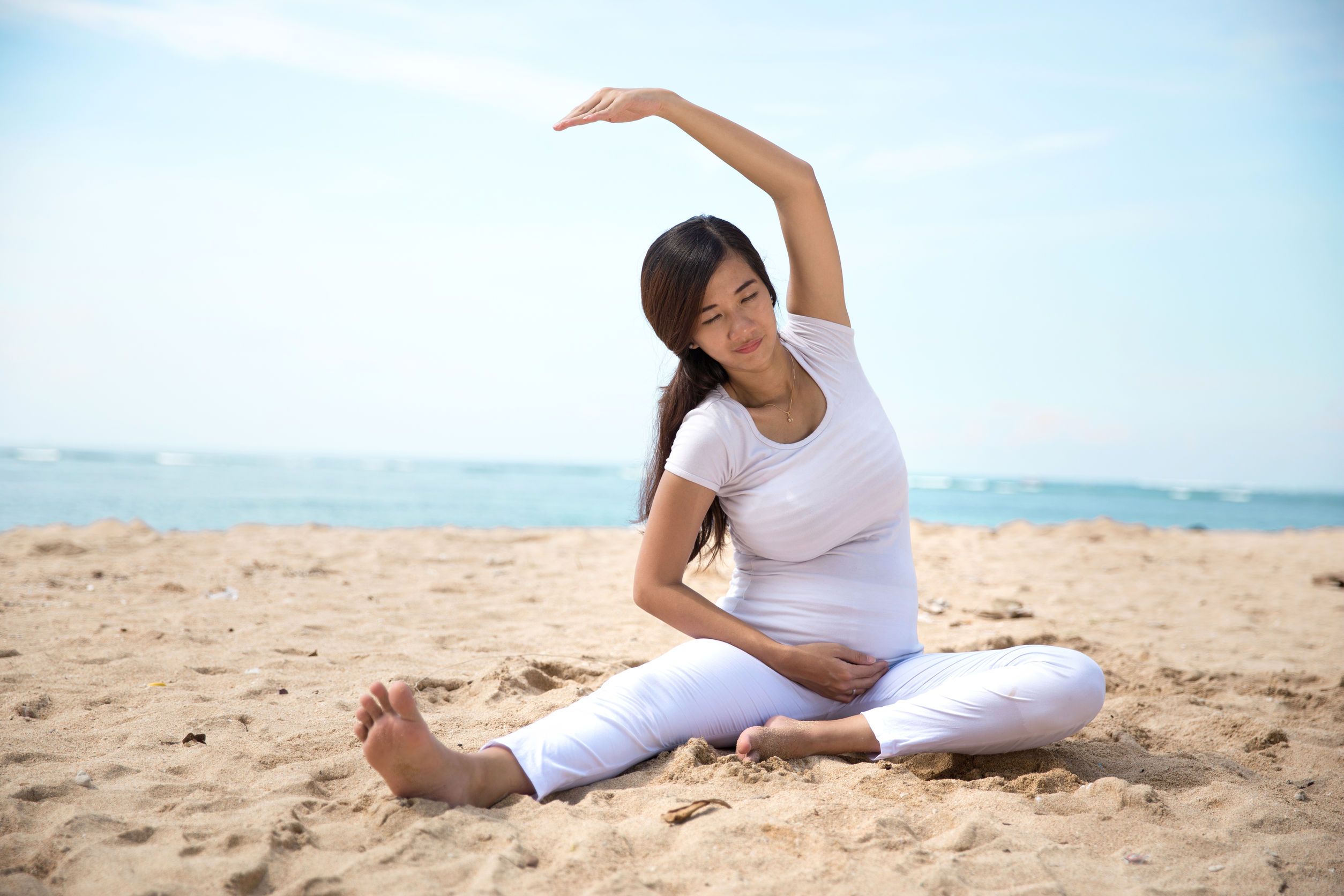
The right exercise for an easy childbirth
Before you get to experience an easy childbirth, you must put in the work leading up to it. Below are some beneficial exercises that can help your labour becomes smoother and safer:
Kegel exercise
That’s right, this exercise isn’t just limited to getting a tighter grip, it can also help you experience a smooth and easy childbirth. Kegel exercise is a type of pelvic floor exercises which helps strengthen your vaginal muscle, uterus, bladder, and bowel muscles. Strengthening your pelvic floor muscles provides better support for these organs and can help prevent or treat urinary stress incontinence. According to many studies, having good control of your pelvic floor muscles may help during the pushing stage of labor. If you can voluntarily relax those muscles, you can deliver your baby more easily. Kegel is simple to perform. You can do it while doing daily activities like watching TV or sitting in front of your laptop. Here are the basic steps:
Locate your Kegel muscles: One way to locate the right muscle is to insert a finger into the vagina, and try to squeeze the muscles surrounding it. Or you can practice stopping the flow of urine when urinating. But you shouldn’t do this too often during urination to avoid weakening the muscles or raising chances of urinary infection.
Practice: Once you have located your pelvic floor muscles, contract these muscles for 5 seconds, then relax and repeat 10-20 times.
Breathing: Breathe normally during the exercises, and do this at least three times a day.
Try not to move your leg, buttocks, or abdominal muscles during the exercises.
Squat
Aside from giving you a firmer butt and a stronger lower body, a squat is beneficial for pregnant women because it helps widen the pelvis/ This allows more room for the baby to descend, lowering the risk of obstructed labour. To perform a squat using the correct technique, you can start by:
- Stand facing the back of a chair, with your feet slightly more than hip-width apart and your toes pointed outward. Hold the back of the chair for support.
- Contract your abdominal muscles, lift your chest, and relax your shoulders.
- Then lower your tailbone toward the floor as though you are sitting down on a chair. Find your balance – most of your weight should be toward your heels. Hold this position for as long as it’s comfortable.
- Take a deep breath in and then exhale, push your legs to rise to a standing position.
Back stretches
Back stretches can help you feel your best by reducing back pain symptoms, especially as your pregnancy progresses. Exercises for the back, such as lower back stretch, can help ease backaches. With little to no back pain during labour, you can expect an easy childbirth without the added nuisance of an aching back. Here are simple steps to follow:
- Rest on your hands and knees with your head in line with your back.
- Pull in your stomach, rounding your back slightly.
- Hold for several seconds, and then relax your stomach and back. You should keep your back as flat as possible.
- Don’t let your back sag.
- Gradually work up to 10 repetitions.
What types of exercises should I avoid during pregnancy?
Besides these four common exercises above, you may have heard about other exercises. No matter which type of exercise you choose, you must not exercise to the point of exhaustion and hold your breath for too long while exercising. It goes without saying that some exercises may not be good for you and the same is especially true if you are pregnant. Avoid the exercises below :
- Exercise which easily causes falling.
- Exercise that may cause any abdominal trauma, including activities with jarring motions, or rapid changes in direction.
- Contact sports.
- Exercises that require extensive jumping, hopping, skipping, or bouncing.
- Exercises that involve waist twisting movements while standing.
- Intense bursts of exercise followed by long periods of no activity.
- Exercise in hot, humid weather.
Some people may advise you to stay sedentary and take lots of rest when being pregnant. However, a good schedule of healthy exercises will considerably assist your labour and delivery.
Hello Health Group does not provide medical advice, diagnosis or treatment.

