
 Vaksinasi
 Pemeriksaan Kesihatan
 Penurunan Berat Badan (GLP1)
 Dapatkan Nasihat Doktor
Type 1 Diabetes: Recognition and Treatment
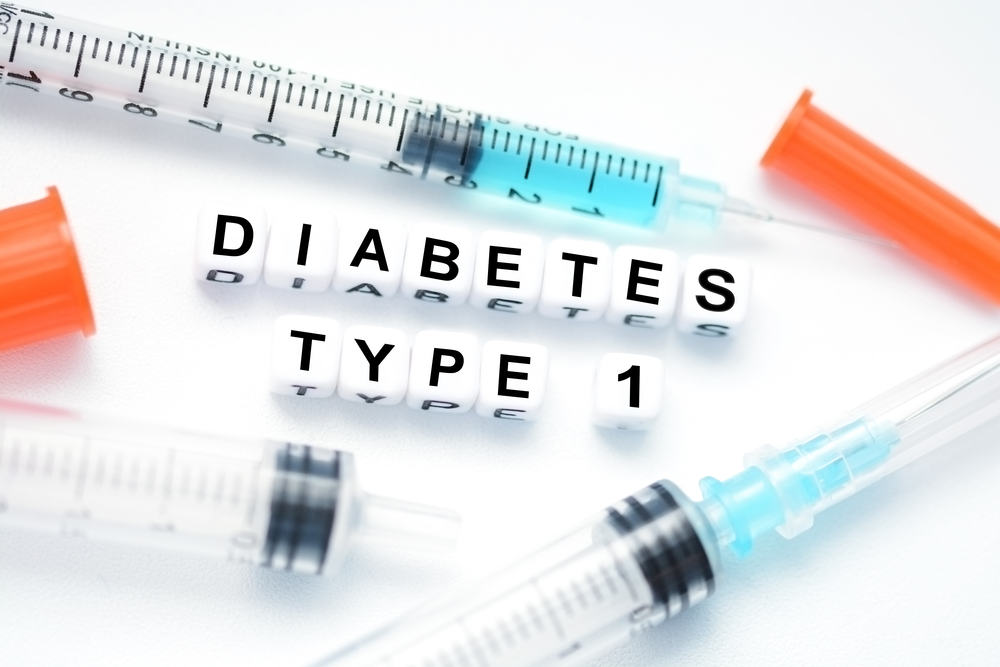
Unlike type 2 diabetes, a condition commonly found in older adults, type 1 diabetes is often diagnosed in children. This is the reason why type 1 diabetes used to be called juvenile diabetes. While in type 2 diabetes, the body is unable to use insulin properly, type 1 diabetes occurs when the insulin production is disrupted, resulting in high blood glucose levels.
How do I know whether I have type 1 diabetes?
The most obvious warning signs of type 1 diabetes include:
- Urinating often;
- Feeling very thirsty;
- Getting frequent infections;
- Losing weight quickly;
- Feeling tired and weak.
In worse cases, if you have got type 1 diabetes for a long time without knowing, you may even notice symptoms of diabetic complications, which are:
- Blurred vision or blindness;
- Slow-healing skin sores;
- Numbness in hands or feet;
- Kidney failure.
This is when you should schedule a visit with your doctor as soon as possible.
May I be at risk of having type 1 diabetes?
Type 1 diabetes is hereditary. You may be at risk if you have a family history of diabetes. However, there are other potential risk factors, such as:
- Exposure to certain viruses, such as the Epstein-Barr virus, Coxsackie virus, mumps virus, and cytomegalovirus;
- Early exposure to cow’s milk;
- Vitamin D deficiency;
- Drinking nitrates-containing water;
- Early (before 4 months) or late (after 7 months) introduction of cereal and gluten into a baby’s diet;
- Having a mother who had preeclampsia during pregnancy;
- Being born with jaundice (yellowish colored of the skin).
What are common medical tests to diagnose type 1 diabetes?
For diagnosis, the doctor uses a medical history, physical examination, and different measures of blood sugar, including fasting and no fasting levels, average glucose levels during 2 to 3 months (hemoglobin A1c [HbA1c] test), and glucose tolerance test. Kidney and blood fat tests are sometimes required.
How do I manage my condition?
You will need a special diet to control blood sugar and a glucometer to check your blood sugar levels. Always watch out for signs of too low or too high blood sugar. Inject insulin a few times daily, depending on your doctor’s directions. You also need to have regular foot care and eye checkups to prevent complications.
Type 1 diabetes, as other types, cannot be cured. As terrifying as the idea of suffering the disease for the rest of your life may seem, diabetes is completely manageable. With proper medications and a healthy lifestyle, you can still lead a fulfilling life.
Hello Health Group does not provide medical advice, diagnosis or treatment.

