

 Vaksinasi
 Pemeriksaan Kesihatan
 Penurunan Berat Badan (GLP1)
 Dapatkan Nasihat Doktor
Cardiac Arrhythmia
In this article:
- Knowing the basics
- Identifying the symptoms
- Determining the causes
- Reducing risk factors
- Understanding the treatment
- Treating the condition through lifestyle changes & home remedies
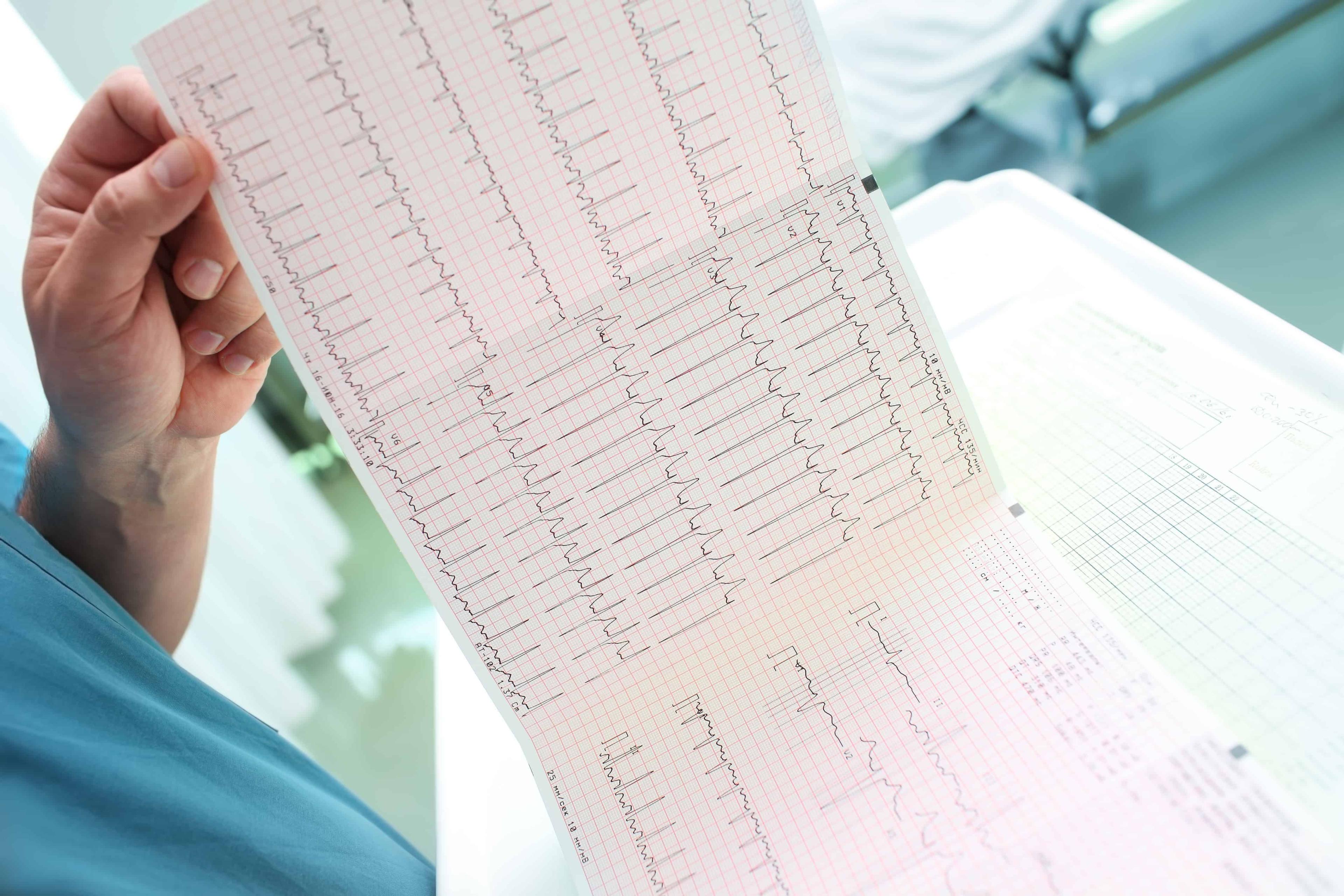
Cardiac arrhythmias is a disorder of the heart that affects its rhythm. A cardiac arrhythmia occurs when electrical impulses, which direct and regulate heartbeats, do not function properly. Cardiac arrhythmias may vary and they are categorised based on origin, regularity and rate. Most cardiac arrhythmias are often dangerous and require specialised treatment and care. Sometimes, symptoms of a cardiac arrhythmia are not obvious, such as fatigue, nervousness or even fainting. Many sudden deaths in young people are caused by inherited arrhythmias.
Knowing the basics
What is arrhythmia?
A cardiac arrhythmia is a heart disease that involves heartbeat rate and rhythm irregularity: too fast, too slow, too early or too erratically. Arrhythmias are more common in men, which accounts for 70% of all cases while the remaining 30% is female, according to research by the Faculty of Medicine, Baroda Medical College, Sir Sayaji General Hospital, Vadodara, India.
A cardiac arrhythmia occurs when the electrical impulses that coordinate heartbeats do not work properly. Arrhythmias are named and categorised based on three points:
- Rate: too fast (tachycardia) or too slow (bradycardia)
- Origin (whether it is in ventricle or atria)
- Regularity
Identifying the symptoms
What are the signs and symptoms of a cardiac arrhythmia?
Common symptoms of a cardiac arrhythmia are:
- Bradycardia: a resting heart rate of fewer than 60 beats per minute
- Tachycardia: a resting heart rate of higher than 100 beats per minute
- Chest pain
- Fluttering in the chest
- Breathlessness (dyspnea)
- Shortness of breath
- Lightheadedness, dizziness
- Sweating
- Syncope (fainting or nearly fainting)
- Palpitations
- Sudden weakness
- Fatigue
There may be other symptoms that could show when you have arrhythmias. Please consult a doctor if you experience any abnormalities.
Determining the causes
What causes arrhythmias?
Arrhythmias can be caused by:
- Scarring of the heart due to a previous heart attack
- Structural changes of the heart, such as cardiomyopathy
- Coronary artery disease
- High blood pressure
- Overactive thyroid gland (hyperthyroidism)
- Underactive thyroid gland (hypothyroidism)
- Selected over-the-counter medications or dietary supplements
Reducing the risk factors
Who often experiences arrhythmias?
Arrhythmia is very common and can affect people of all ages but it can be prevented by reducing the risk factors. Please consult a doctor for more information.
What factors increase the risk of arrhythmias?
There are many risk factors for cardiac arrhythmia, such as:
- Smoking
- Alcohol abuse
- Drug abuse
- Excessive coffee consumption
- Mental stress
- Diabetes
- Sleep apnea
- Inherited gene defects
Understanding the treatment
The information provided herein is not a substitute for any medical advice. Therefore, ALWAYS consult with a doctor for more information.
How are arrhythmias diagnosed?
Doctors will diagnose the condition with information gathered from:
- Reviewing symptoms and medical history
- Conducting physical examination
- Electrocardiogram (ECG): To detect the electrical impulses of the heart
- Holter monitor – a clip-on device that records heartbeat patterns for 1-2 days
- Event monitor: To monitor heart rhythm after the occurrence of symptoms
- Echocardiogram: To produce images of the heart’s size, structure, and motion
- Implantable loop recorder: To detect abnormal heart rhythm
- Some other tests may be required to exclude other conditions with similar symptoms
- Electrophysiological testing and mapping
- Examination to exclude the abnormalities of the thyroid gland that can cause arrhythmia
How are arrhythmias treated?
There are many different treatments depending on the type of cardiac arrhythmia.
Treatment of bradycardia
The doctor would place a small device, which is called a pacemaker, under the skin near the collarbone if bradycardia is not caused by any underlying condition. When the heartbeat is too low or if it stops, the pacemaker creates electrical impulses to trigger the heart to beat at a regular pace.
Treatment of tachycardia
There are several treatments for tachycardia, which include:
- Medications: Antiarrhythmic drugs can control the heartbeat or restore normal heart rhythm
- Vagal maneuvers, which are certain movements that patients can perform themselves to prevent certain types of arrhythmia which begin above the lower half of the heart
- Cardioversion, which could affect electrical impulses and reset the heart to its regular rate
- Catheter ablation uses radiofrequency energy (similar to microwave heat) to destroy abnormal electrical pathways in the heart tissue that cause rapid and irregular heartbeat
Surgical method
In some cases, you would undergo surgery if other treatments are deemed ineffective.
- Maze procedure: a series of surgical incisions that are made in the heart. They then heal into scars and form blocks. These blocks guide the electrical impulses, helping the heart to beat efficiently.
- Coronary bypass surgery: improves blood supply to the heart, in the event that you have coronary artery disease that aggravates arrhythmia.
Treating the condition through lifestyle changes & home remedies
What lifestyle habits help limit the progression of arrhythmias?
You will be able to control your arrhythmia if you practice the following:
- Eat heart-healthy foods that are low in salt and solid fat, and rich in fruits, vegetables and whole grains.
- Exercise regularly to increase physical activity.
- Quit smoking and drink alcohol in moderation.
- Maintain a healthy weight.
- Keep blood pressure and cholesterol levels under control.
- Get periodic health check-ups.
Some types of complementary and alternative therapies that may help reduce stress are yoga, meditation, and relaxation techniques.
Arrhythmias are due to many different causes. The incidence of the disease is common among elderly patients with myocardial infarction or myocardial ischemia. However, some cases of inherited arrhythmias can be found in young people, which cause sudden death if not detected and treated promptly.
Depending on the cause and type of arrhythmias as well as treatments, you should have regular checkups. Get an electrocardiogram if you experience symptoms such as palpitations, fainting, or cases of sudden death of young people in your family for no apparent reason.
If you are concerned about any red flags with your health, please consult a doctor for advice on the best treatment.
Hello Health Group does not provide medical advice, diagnose or treatment.

