

 Vaksinasi
 Pemeriksaan Kesihatan
 Penurunan Berat Badan (GLP1)
 Dapatkan Nasihat Doktor
Meniscus Tear Of The Knee
In this article:
- Knowing the basics
- Identifying the symptoms
- Determining the causes
- Understanding the diagnosis & treatment
- Prevention
Knowing the basics
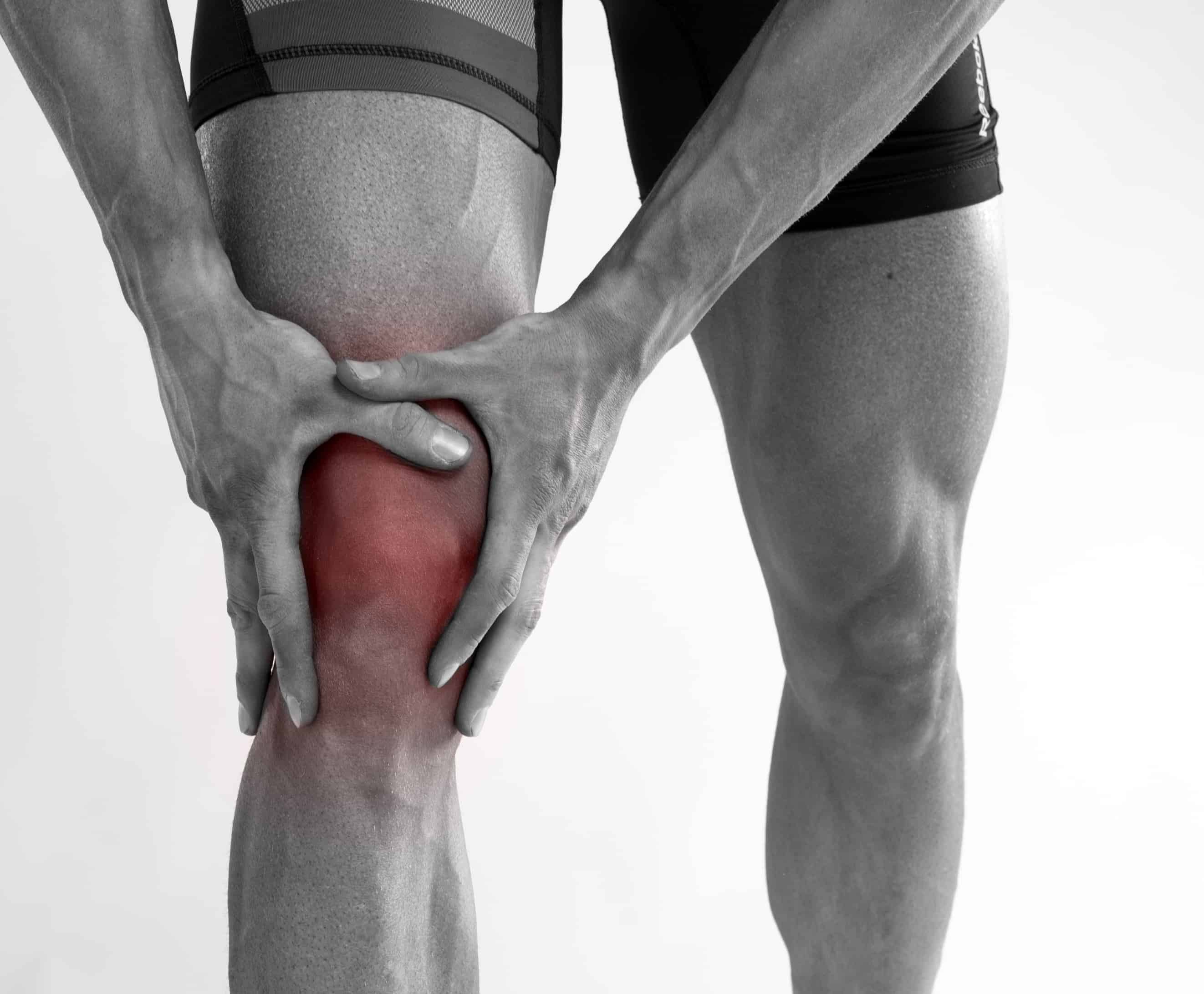
What is a meniscus tear of the knee?
The meniscus is a piece of cartilage between the femur and tibia, to protect the bones from friction and abrasion. Each knee joint usually has two menisci.
They can be damaged or torn during activities that put pressure on or rotate the knee joint, such as getting up too quickly from a squatting position.
Identifying the symptoms
What are the signs and symptoms of a meniscus tear of the knee?
When a meniscus tear occurs, you may hear a popping sound around your knee joint. Afterward, you may experience:
- Pain, especially when the area is touched
- Swelling
- Difficulty moving your knee or inability to move it in a full range of motion
- A feeling of your knee locking
- A feeling that your knee is unable to support you
You may also experience a slipping or popping sensation, which is usually an indication that a piece of cartilage has become loose and is blocking the knee joint.
Visit a doctor if you experience any of these symptoms that persist for more than a few days or occur after your knee has been injured. Seek medical help immediately if your knee locks and you are unable to bend your knee after straightening it.
Determining the causes
What causes a meniscus tear of the knee?
The meniscus can be torn during activities that cause direct contact or pressure from a forced twist or rotation. Also, deep squatting or heavy lifting can lead to injury.
There are certain types of sport that may put you at higher risk of meniscus tears, such as:
- Football
- Basketball
- Tennis
According to experts, meniscus tears are common among children and people over 30 years old. The meniscus usually weakens over time, so movements such as squatting or lifting heavy objects can lead to injury in someone with weak menisci. In addition, if you experience osteoarthritis, you are at a higher risk of tearing your meniscus. When an older person experiences a meniscus tear, it is more likely to be related to degeneration.
Understanding the diagnosis & treatment
The information provided herein is not a substitute for any medical advice. Therefore, ALWAYS consult with a doctor for more information.
How is a meniscus tear of the knee diagnosed?
Physical examination
After you discuss your symptoms with a doctor, they will examine your knee and test your range of motion. The doctor would look closely at the location of your meniscus along your joint.
They may also perform a McMurray test to look for a meniscal tear. This test involves bending your knee and then straightening and rotating it. You may hear a slight pop during this test. This can indicate a tear of the meniscus.
Imaging tests
Imaging tests may be conducted to confirm a tear of the meniscus. These include:
Knee X-ray
This test will not show a meniscus tear. However, it can be helpful to determine if there are any other causes of your knee pain, such as osteoarthritis.
MRI
A magnetic resonance imaging (MRI) will be able to take pictures of cartilage and ligaments to determine if there is a meniscus tear. The MRI’s accuracy for diagnosing meniscus tears is 77 percent.
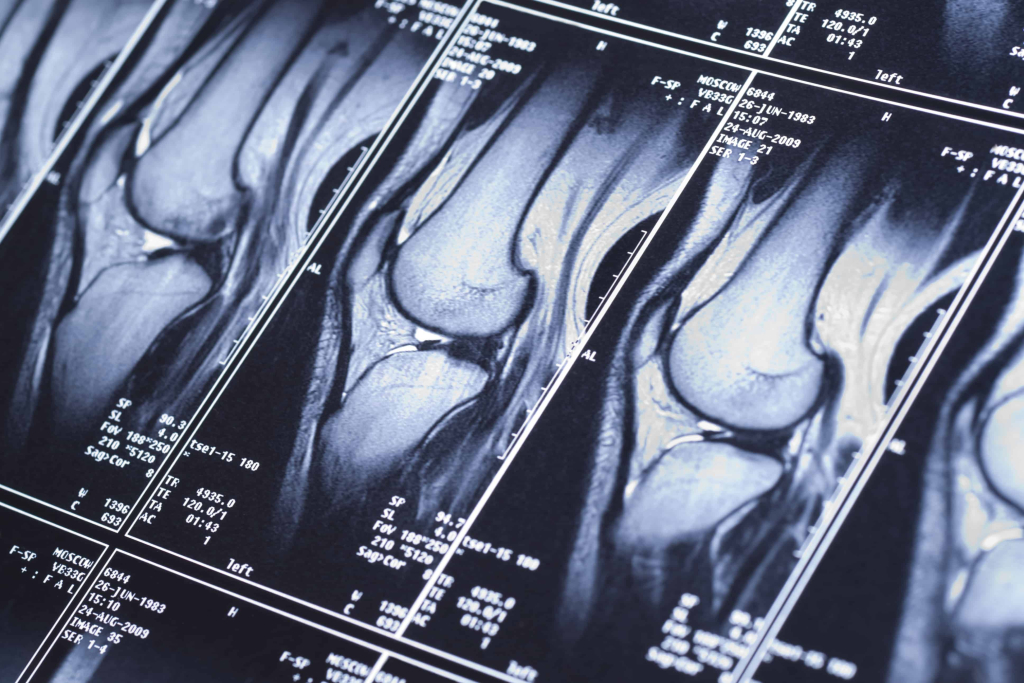
Sometimes, meniscus tears may not show up on an MRI because they can closely resemble degenerative or age-related changes. Additionally, some structures around the knee can closely resemble a meniscus tear therefore increasing the chances of a doctor making an incorrect diagnosis.
Ultrasound
An ultrasound will determine if you have any loose cartilage in your knee.
Arthroscopy
Arthroscopy can help doctors determine the cause of the knee pain. If you require surgery, the doctor would also use an arthroscope to gauge the severity of your condition. Arthroscopy is an outpatient procedure which allows the patient to go home after.
How is a meniscus tear of the knee treated?
During initial stages, the knee injury should be treated with conservative techniques which include rest, ice, compression, and elevation.
- Rest your knee. Use crutches to avoid weight-bearing on the joint. Avoid any activities that could worsen your knee pain.
- Apply an ice pack on your knee every 3 to 4 hours for 30 minutes.
- Wrap the knee in an elastic bandage to reduce inflammation.
- Elevate your knee to reduce swelling.
You can also take medication such as ibuprofen, aspirin or any other nonsteroidal anti-inflammatory drugs (NSAIDs) to reduce pain and swelling around your knee. In addition, the doctor may recommend physical therapy to strengthen the muscles surrounding the knee. Physical therapy can help reduce pain and increase your knee mobility and stability. The physical therapist may also use massage techniques to reduce swelling and stiffness.
If your knee does not respond to the above treatments, arthroscopic surgery may be recommended. The doctor will give you specific instructions to prepare for the surgery, such as:
- How to use crutches
- Complete pre-surgery requirements, such as blood tests, X-rays, MRI, electrocardiogram (EKG), etc.
- Provide information about the medications used
- Refrain from eating or drinking anything the night before the procedure
Seek medical help if you experience any conditions that could keep you from undergoing surgery. These include:
- A fever
- An infection
- A cold
- An open wound
Full recovery will take time. However, you can begin participating in physical therapy exercises within days after surgery.
If your procedure involves a meniscal repair, the recovery and rehabilitation process could span across approximately six weeks. You would be wearing a knee brace or use crutches during this time.
Prevention
What measures help prevent meniscus tears of the knee?
You can prevent meniscus tears by performing exercises that strengthen your leg muscles. This will help stabilise the knee joint and protect it from injury.
You can also use protective gear while playing sports or braces to support your knees during activities that may increase your risk of injury.
You should choose suitable exercises or avoid participating in activities that may put pressure on the knee joint. Some tips that can help you avoid sports injuries are:
- Warming up and stretching before exercises
- Using proper gear, such as athletic shoes or clothes
- Lacing up footwear properly
Hello Health Group does not provide medical advice, diagnosis or treatment.

