
 Vaksinasi
 Pemeriksaan Kesihatan
 Penurunan Berat Badan (GLP1)
 Dapatkan Nasihat Doktor
What is hyperlipidemia?
In this article:

- Know the basics
- Know the symptoms
- Know the causes
- Know the risk factors
- Understand the diagnosis & treatment
- Know the prevention
Know the basics
What is hyperlipidemia?
Hyperlipidemia is a medical term for abnormally high levels of fats (lipids) in the blood. The two major types of lipids found in the blood are triglycerides and cholesterol.
Triglycerides are produced when the body stores excess calories which it does not use for energy. They have a strong association with heart diseases.
Cholesterol is produced naturally in the liver because every cell in the body has a use for it. There are two main types of cholesterol: low density lipoprotein (LDL) and high density lipoprotein (HDL). LDL has many damaging effects on health, therefore it is commonly known as “bad cholesterol”.
The condition of hyperlipidemia is known as high cholesterol. Although high cholesterol can be inherited, it is often the result of unhealthy lifestyle choices.
Hyperlipidemia is treatable, but it is often a life-long condition, which requires prescription medication. By monitoring food intake and exercising regularly, you will preserve lower cholesterol levels, which reduces the risk of heart diseases such as heart attack and stroke.
Know the symptoms

What are the signs and symptoms of hyperlipidemia?
Generally, people with hyperlipidemia are not aware of bearing the condition as it is visceral. However, those who experience this condition due to genetic inheritance may show signs of yellowish fatty material accumulated under the skin around the eyes or joints.
A doctor usually detects hyperlipidemia during a routine blood test or following cardiovascular-related incidents, such as heart attack or stroke.
An excessive buildup of fat over time can cause atherosclerosis. This is a condition where plaques develop on the walls of the arteries and blood vessels, which narrows the openings. This could lead to unstable blood flow, high blood pressure, and can greatly increase the risk of heart disease and stroke.
Know the causes
What causes hyperlipidemia?
The causes include:
- Genetic factors: Doctors refer to this as primary hyperlipidemia and is usually inherited from parents.
- Poor diet and other factors: This is known as secondary hyperlipidemia.
Other risk factors include:
- Excessive alcohol consumption
- Obesity
- Taking medication (e.g. hormones, steroids)
- Diabetes
- Metabolic syndrome
- Long-term kidney disease
- Premature menopause
- Underactive thyroid gland, or hypothyroidism
- Pregnancy
- Sedentary lifestyle
Family hyperlipidemia stems from a genetic disorder. A parent carrying a mutated gene and passes it to the next generation would result in an ill-present or malfunctioning LDL receptor. This means that the body is not able to remove LDL from the bloodstream, leading to dangerous levels of bad cholesterol in the blood.
Know the risk factors
Who is at high risk of hyperlipidemia?
As previously mentioned, LDL builds up in the artery walls, causing them to narrow and harden. HDL helps clean up excess “bad” cholesterol and channel them back to the liver for elimination from the body. Hyperlipidemia occurs when there is too much LDL in the blood and not enough HDL to “clean up’ excess fat.
Unhealthy lifestyles can raise LDL levels and lower “good” cholesterol levels in the blood. If you are overweight, and are in the habit of eating a lot of fatty foods, smoking or not exercising regularly, your risk of developing hyperlipidemia is greater than regular people.
Other habits that may contribute to developing hyperlipidemia include:
- Eating foods that contain saturated and trans fat
- Eating lots of animal proteins such as meat and dairy
- Not getting enough exercise
- Not eating enough healthy fats
- Obesity
- Large waist circumference
- Smoking
- Excessive alcohol consumption
Abnormal cholesterol levels are also found in people with the following health conditions:
- Kidney disease
- Diabetes
- Polycystic ovary syndrome
- Pregnancy
- Underactive thyroid
- Genetic factors
Cholesterol levels may also be affected by consuming certain medications which include:
- Birth control pills
- Diuretics
- Certain medications for depression
Understand the diagnosis & treatment
The information provided herein is not a substitute for any medical advice. ALWAYS consult with a doctor for more information.
How is hyperlipidemia diagnosed?
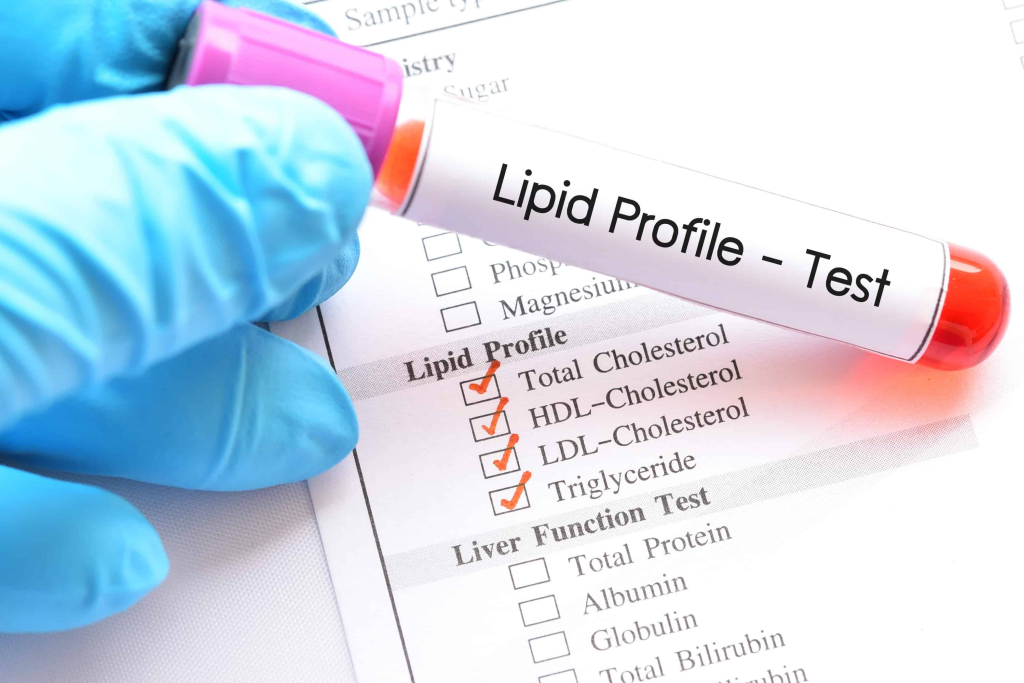
Hyperlipidemia usually does not show any symptoms, therefore blood tests may be required to determine the following:
- Total amount of cholesterol in the blood
- LDL cholesterol
- HDL cholesterol
- Triglycerides
Before drawing, doctors may require you to fast between 8 to 12 hours for more accurate results. However, recent studies have shown that fasting is not always necessary, so do heed the doctor’s instructions accordingly.
Overall, a total cholesterol level above 200 mg/dL is considered high. Safe levels of cholesterol on the other hand can vary among people, depending on medical history and current health conditions. Doctors will rely on test results to diagnose hyperlipidemia.
How is hyperlipidemia treated?
Blood lipid levels can be controlled through a healthy diet and regular physical activities.
However, a healthy lifestyle is not the only solution for those with inherited hyperlipidemia. For some, medication may be required.
Doctors usually prescribe statins, such as simvastatin, lovastatin, atorvastatin, and rosuvastatin to lower blood cholesterol levels. These medications help reduce the amount of cholesterol produced by the liver.
However, statins can cause side effects which include relatively harmless muscle pain, but in rare cases, muscle damage may occur.
If you experience muscle aches and wish to stop taking these medications, do speak to your doctor first. Health professionals would be able to distinguish the risk of cardiovascular-related incidents against undesirable side effects of the medication.
Should these cholesterol levels still fail to reach the desired target, doctors would recommend higher doses or additional medications such ezetimibe, fibrate or niacin.
Know the prevention
How to prevent hyperlipidemia effectively?
Lifestyle and diet changes are the best way to prevent and treat hyperlipidemia.
You should opt for a heart-healthy diet, exercise regularly, refrain from smoking, and maintain a healthy body weight.
Diet

A heart-healthy diet includes reduced consumption of saturated fat, trans fat, and cholesterol, while increasing consumption of fruits and vegetables, fiber, whole grains, and water.
Fast foods, carbohydrate-rich foods or any processed foods generally do not have good nutritional value, therefore you are encouraged to stay away from them.
Fish, nuts, and legumes are high in healthy fats, and therefore serve as great additions to your diet to reduce LDL cholesterol levels. When cooking, always opt for olive or monounsaturated fat-rich oils.
Weight
People who are overweight or obese are at high risk of developing hyperlipidemia and heart diseases.
Losing weight can help reduce LDL, total cholesterol, and triglycerides. This also helps boost HDL, which helps remove LDL from the blood.
Physical activity

Lack of physical activity is a major risk factor for cardiovascular diseases.
Regular exercise and physical activities help reduce LDL, increase HDL, and support a positive weight-loss process.
The American Heart Association recommends at least 150 minutes of moderate physical activity each week to stay clear of heart-related diseases.
Smoking
Smoking causes several health problems which contribute to an array of heart diseases.
Smoking also promotes atherosclerosis, increases LDL levels, and encourages inflammation as well as formation of blood clots in blood vessels.
Quitting the habit would result in improved HDL levels in the blood, therefore reducing the risk of cardiovascular diseases almost immediately.
A person with hyperlipidemia can reduce the risk of developing cardiovascular problems by following a strict diet and treatment plan recommended by a doctor.
Hello Health Group does not provide medical advice, diagnosis or treatment.

