

 Vaksinasi
 Pemeriksaan Kesihatan
 Penurunan Berat Badan (GLP1)
 Dapatkan Nasihat Doktor
What is a Urinary Tract Infection?
In this article:

- Definition
- Symptoms
- Causes
- Risk factors
- Treatment
- Lifestyle & living habits
Urinary tract infections (UTI) are common among women. Statistics show that married women are at risk of UTI at least once in their lifetime. Most cases of acute cystitis in women can be simply treated at home with antibiotics in 3 to 7 days. If the infection spreads to the kidneys and renal pelvis, the doctor would list you for hospitalisation to perform monitoring and intravenous antibiotic therapy. These cases of pyelonephritis usually occur under specific conditions such as diabetes mellitus, immunodeficiency or urinary obstruction.
Definition
What is a urinary tract infection?
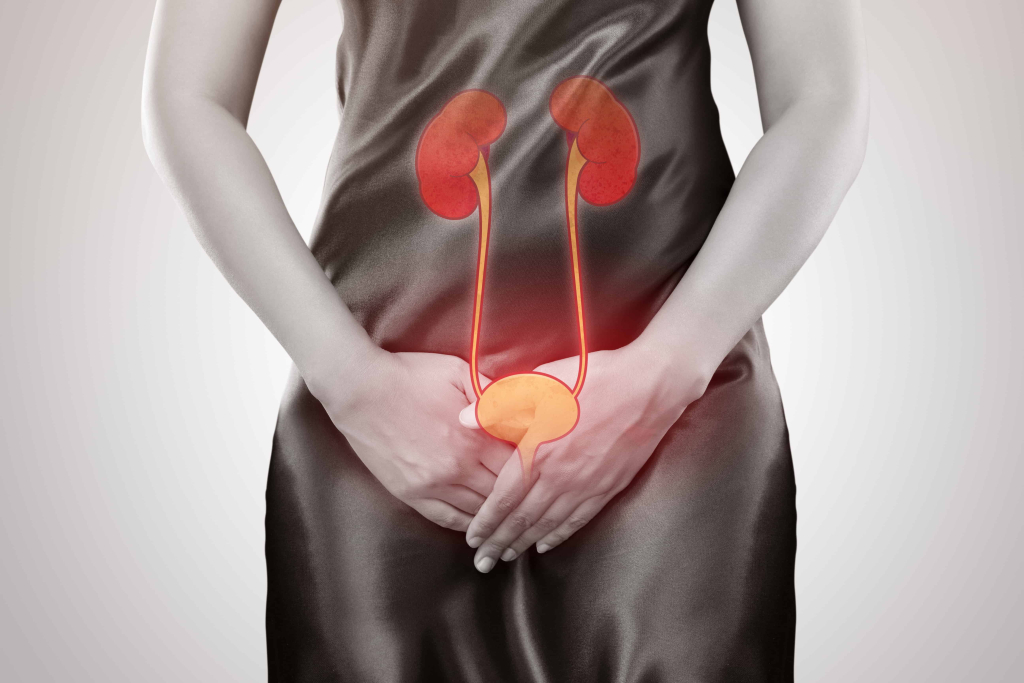
UTI occurs when bacteria is present in any organ related to the urinary tract. The urinary tract consists of organs that produce, store, and excrete urine which include the kidneys, ureters, as well as the bladder and urethra, which are the two most common forms of UTI.
Who is more likely to get urinary tract infection?
The disease can occur in anyone regardless of age and gender. However, women are at greater risk of developing UTI than men, as they have shorter urethra which is more susceptible to infections.
Symptoms
What are the signs and symptoms of a urinary tract infection?
Common symptoms of UTI include frequent and painful urination, low urine output, uncontrolled urination, cloudy urine, strong-odor urine and urine that contains pus or blood. Patients, especially women, will feel pain in the pubic bone area. In addition, depending on the infected organ, varying symptoms will show:
- If the kidney is infected, the patient may have fever, nausea, vomiting, shaking and chills or side and upper back pain.
- If the bladder is infected, the patient will experience pain (in the lower abdomen), frequent and painful urination and blood in the urine.
- If the urethra is infected, the patient will feel a burning sensation when urinating and notice discharge from the urethra.
There may be other symptoms which could show when you have a urinary tract infection. Please consult a doctor if you experience any abnormalities.
When do you need to see a doctor?
If you experience any of the above symptoms, especially painful urination, you should see a doctor immediately. If fever still persists 48 hours after ingesting antibiotics, or the symptoms reappear after completing the course, get in touch with your doctor soonest.
Causes
What causes a urinary tract infection?
The most common cause for UTI is Escherichia coli (E.coli) found in the gut, though it can still be caused by other bacteria. E.coli on the skin or near the anus can enter the urinary tract and move up to other viscera. Seeing as the urinary tract and anus are much closer to each other in women than men, the risk of infection is much higher.
Bacteria is able to enter the urinary tract through catheters used in medical treatment, when stones or birth defects clog the urinary tract, or even after sexual intercourse.
UTI can also occur if infections spread from other organs to the kidneys. UTI is usually not contagious, but having sexual intercourse when experiencing an infection can be painful and should be avoided.
The most common cause of UTI is bacterial infection, usually Escherichia coli.
UTI in women can occur due to sexual intercourse. However, it does not mean that only those who are sexually active tend to develop the disease. Women in general are susceptible to UTI as bacteria is very likely to grow in the female genital region.
In addition to infections, there are several other causes of UTI, including:
- Medicinal causes, particularly chemotherapy drugs such as cyclophosphamide and ifosfamide
- Radiation treatment of the pelvic area
- Long-term use of a catheter
- Chemical substances: certain chemicals in products such as foaming soaps and feminine hygiene sprays may cause allergies which can lead to a urinary tract infection
- Association with other conditions, such as diabetes, kidney stones, and prostate enlargement, among others.
Risk factors
What factors increase the risk of a urinary tract infection?
There are many factors that can increase the risk of a urinary tract infection, and they include:
- Gender: The female urethra is shorter than that of a male, making the bacterial pathway to the bladder shorter.
- Unprotected sexual intercourse.
- Use of contraceptives: Women who use diaphragms or spermicides.
- Menopause: Altered hormone levels in postmenopausal stage causes change in the urinary tract, making the body more susceptible to infections.
- Urinary tract abnormalities: Babies born with urinary tract abnormalities which do not allow urine to leave the body or cause it to back up in the urethra.
- Blockages in the urinary tract: Kidney stones or an enlarged prostate which traps urine in the bladder.
- Immunodeficiency: Diabetes and other conditions that weaken the immune system.
- Catheterisation: Occurs in those who cannot urinate naturally and require catheter insertion to drain the bladder. These may include patients who are hospitalised, patients with neuropathy, and paralysis.
Treatment

The information provided herein is not a substitute for any medical advice. ALWAYS consult with a doctor for more information.
How is urinary tract infection treated?
Normally, you would take antibiotics for 3 to 10 days. During this time, you also need to drink plenty of water to help flush out the bacteria. Drinking fruit juice and vitamin C to increase urine acidity may be helpful, while alcohol and caffeine should be avoided. To relieve pain when urinating, your doctor would prescribe phenazopyridine, a medicine which discolors the urine. Pain relievers such as acetaminophen and ibuprofen are also used if the need arises. You may sit in lukewarm water to soothe the discomfort. Be sure to get enough rest until the fever and pain go away.
How is urinary tract infection diagnosed?
A urine test (urinalysis) will be performed to diagnose a UTI. The urine sample must be urine that is not infected (e.g. from hands or skin around the urethra), which is “midstream” urine. Urinalysis is sometimes accompanied with urine culture – a test that uses a sample to culture bacteria in the laboratory. This test will be able to tell the doctor the type of bacteria that is causing the urinary tract infection and determine which antibiotic is most effective.
If your doctor suspects that a urinary tract anomaly has been causing the disease to recur, you would need to undergo an ultrasound or CT scan to get a clearer picture. In some situations, a doctor may use contrast agents to improve images of the urinary tract. Another test is an IVP (intravenous pyelogram) which is an x-ray examination using contrast material. In the past, these tests were often used to collect images of the urinary tract, but they were gradually replaced by ultrasound or CT.
If you have a recurring urinary tract infection, your doctor may use a long, slender tubular instrument with a scope to look deep into the urethra and bladder. This type of borescope is inserted into the urethra and then reaches the bladder.
Lifestyle and living habits
Which living habits help you limit the progression of urinary tract infection?
Urinary tract infections may be controlled if you:
- Drink 6-8 glasses of water daily. Filtered water and juice help to filter the urinary tract and support treatment.
- Keep good hygiene. After a bowel movement, women should wipe from front to back. Avoid douching and spraying water inside the vagina. Showers are better than baths. Wear cotton underwear and avoid tight pants.
- Maintain healthy sexual habits. Women should urinate and keep good hygiene before and after sexual intercourse. Avoid placing diaphragms or using spermicide.
- Urinate frequently and empty your bladder completely.
- Inform your doctor if you are taking birth control pills. Certain antibiotics may react differently with birth control pills.
Common urinary tract infections can be completely cured with antibiotics. Be sure to complete your course, but if you have suffered from UTI before, your doctor may prescribe antibiotics to prevent recurrence. However, if the condition persists or recurs without fail, you should see a nephrologist or urologist as there might be a cause of obstruction or abnormal urinary tract structure. The right hygiene habits after urinating or having sex are effective in preventing UTIs in women. As for men, if a UTI occurs, you should see a doctor immediately as the disease is often caused by urinary abnormalities such as kidney stones or prostate enlargement.
Hello Health Group does not provide medical advice, diagnosis or treatment.

