
 Vaksinasi
 Pemeriksaan Kesihatan
 Penurunan Berat Badan (GLP1)
 Dapatkan Nasihat Doktor
Understanding Urticaria
In this article:
- Knowing the basics
- Identifying the symptoms
- Determining the causes
- Reducing the risk factors
- Understanding the treatment
- Treating the condition through lifestyle changes & home remedies
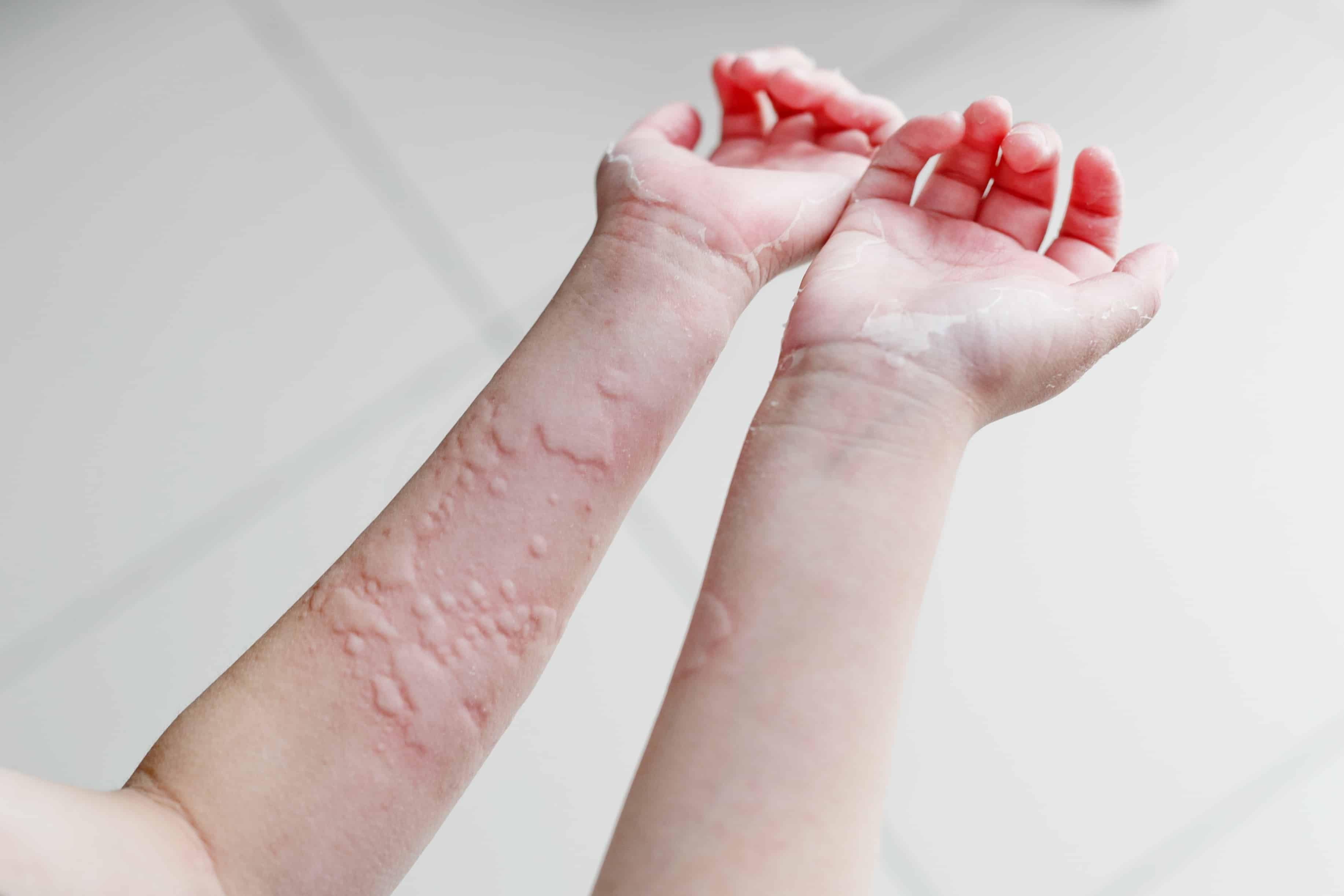
Urticaria, also known as wheal or hives, is a form of allergic rash. It can appear anywhere on the body and join together to form larger affected areas, which trigger itching. It may be mild and settle down without treatment if distance is maintained from the allergen. However, if it recurs, the condition may be severe and accompanied with other symptoms such as wheezing, difficulty breathing or even anaphylactic shock.
Knowing the basics
What is urticaria?
It is a raised and itchy rash that appears on the skin. It may appear on a singular part of the body or spread across larger areas. Wheal or hives is not a life-threatening disease but it can cause discomfort throughout the day, even while sleeping.
Identifying the symptoms
What are the signs and symptoms?
Below are some basic symptoms:
- Batches of red or skin-colored welts that may appear on the face, body, hands or feet
- Welts that vary in size and shape
- Itching
These symptoms are unpredictable and recurrence may take place within months or years.
There may be other symptoms that could show when you have urticaria. Please consult a doctor if you experience any abnormalities.
When to seek medical advice
You should see a doctor if:
- The symptoms do not improve after 2 days
- The rash is spreading
- It causes pain
- It affects the quality of daily life
- It is accompanied with other symptoms
- It does not respond to treatments
You should seek emergency medical care if you experience:
- Dizziness
- Chest tightness or shortness of breath
- Dry tongue and throat swelling
Determining the causes
What causes it?
The welts that come with hives arise when certain cells release histamine and other chemicals into your bloodstream.
Reducing the risk factors
Who may experience it?
Hives is a common condition affecting all ages and tends to occur more in women rather than men. You can control this condition by minimising its risk factors. Please consult a doctor for more details.
Acute urticaria, which is a condition marked by hives lasting less than six weeks, affected about one-fifth of the world’s population at a point in time. Meanwhile, chronic urticaria or long-term urticaria is less common. Urticaria is common among children, women between the ages of 30 and 60 and those who have a history of allergy.
What factors increase the risk of urticaria?
There are many factors that increase the risk of wheal, such as:
- Gender. Women are affected more than twice as often as men
- Age. Young people are at greater risk of getting sick.
Understanding the treatment
The information provided herein is not a substitute for any medical advice. Therefore, ALWAYS consult with your doctor for more information.
How is it diagnosed?
The doctor will conduct a physical exam and ask you a series of questions to understand the underlying cause of your signs and symptoms. They may also ask you to keep track in a diary your activities, any medications, herbal remedies or supplements you take, details of your diet, where urticaria appears and how long it takes a welt to fade. The doctor may also have you undergo testing, such as blood tests and skin tests.
How is treated?
Urticaria usually will go away without treatment in a few days. In some cases, medications could be taken to reduce discomfort. In some severe cases, you may be prescribed a short course of high-dose corticosteroid tablets, which reduces the symptoms of urticaria.
The most important aspect in preventing urticaria is to reduce any of the underlying factors that can cause symptoms.
Treating the condition through lifestyle changes & home remedies
Which living habits help limit the progression of urticaria?
You will be able to control this condition if you take the following measures:
- Wear loose, light clothing
- Avoid scratching or using corrosive soaps
- Soothe the affected area with a bath, fan, cool cloth, lotion or anti-itch cream
- Keep a diary of specific details about the hives and their occurence (e.g. what were doing when it appeared, what you were eating when it appeared, etc). This may help you and your doctor identify triggers
- Avoid certain types of foods and drinks that cause allergies
What should not be eaten when having urticaria?
Besides medications, people with urticaria also need to abstain from some factors that can aggravate the symptoms, for example:
- Stimulants such as tobacco and coffee.
- Spicy foods such as pepper, chili, etc.
- Protein-rich foods such as seafood, chocolate, eggs, milk, etc.
- Foods that are high in sugar, such as candy, cakes, sugar, and sweetened porridge, etc.
- Salt
- Hot water, as it can cause the skin to be more vulnerable.
Similar to dealing with other allergies, the best treatment of urticaria is to avoid allergens. Pay attention to the seasons or locations as well as types of foods that can cause urticaria. Although the symptoms can be cured with anti-allergy medication, avoid repeated contact with allergens as the condition would be worse, and it opens you up to the possibility of a life-threatening risk called anaphylactic shock.
If you are concerned about any red flags with your health, please consult a doctor for advice on the best treatment.
Hello Health Group does not provide medical advice, diagnosis or treatment.

